Design Fundamentals: Identity
Of the pillars that shape contemporary design, identity may be the most difficult to interrogate. Craft can be critiqued. Commerce can be debated. Passion can be absorbed into labour politics. But identity feels different — harder to handle. It is lived experience as much as theory; it is political, and in an increasingly divided world, it is moral.
Our contemporary cultural landscape positions marginalised communities against systemic oppression. Identity is framed as resistance, clarity, truth; the histories are real, as are the exclusions, and the harm. So we assume design participates differently.
But, why would it?
Designers can mistakenly believe that the act of designing, when carried out by the “right” people, becomes inherently progressive. That representation inside institutions is a form of transformation, and that presence equals change. But design is not a virtue. It is, and has always been, a tool. The designer does not inherently exempt it from the systems it moves through.
Identity as a force in design did not begin with corporate diversity initiatives, nor did it begin post-Bauhaus. For as long as design has supported the accumulation of capital, identity has also shaped visual form and positional narrative.
In early twentieth-century Prague, Jaroslav Benda helped define what Czech typographic identity would look like. Born in 1882, Benda worked as a typographer, calligrapher, and educator, and his influence extended deeply into Czech book design and graphic culture. His letterforms were not neutral. They carried historical reference, national sensibility, and cultural continuity at a time when questions of Czech identity were politically charged and materially urgent.
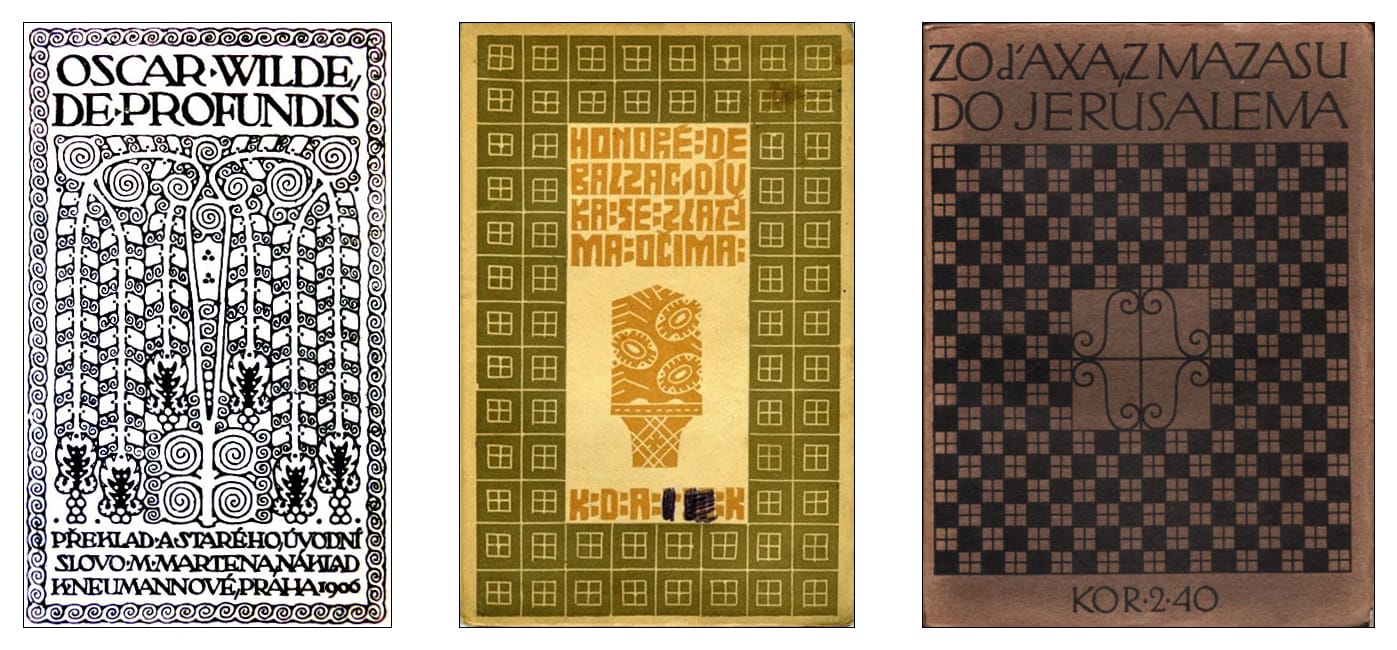
Benda’s work demonstrates something important: identity can be a motivating force inside design. It can shape form, not just as branding but as assertion; as refusal; as cultural self-definition. Even here, identity operated within economic and institutional realities. Typeface design was not pure expression. Even national identity had to negotiate with manufacturing, licensing, and distribution. It lived inside systems. Importantly, this motivation compels many of us to bring “who we are” to the work we do.
Split screen: fast forward to 1970s Chicago.
Thomas Miller redesigns the 7Up logo while working at Goldsholl Associates. He becomes one of the most visible Black designers operating within major American corporate design at the time. Around him, advertising culture begins to shift. Black consumers, a fresh commercial market, are no longer ignored. They are recognised as a distinct and powerful segment.
The “Uncola” campaign positions 7Up as culturally fluent and alternative. Geoffrey Holder (a Trinidadian, because we are indeed everywhere) becomes its charismatic face. These campaigns speak directly to Black audiences. Representation increases. Cultural specificity becomes a marketing strength, and corporate penetration deepens. The success of the campaign solidifies 7Up’s position in Black communities at a moment when cultural fluency becomes commercial leverage.
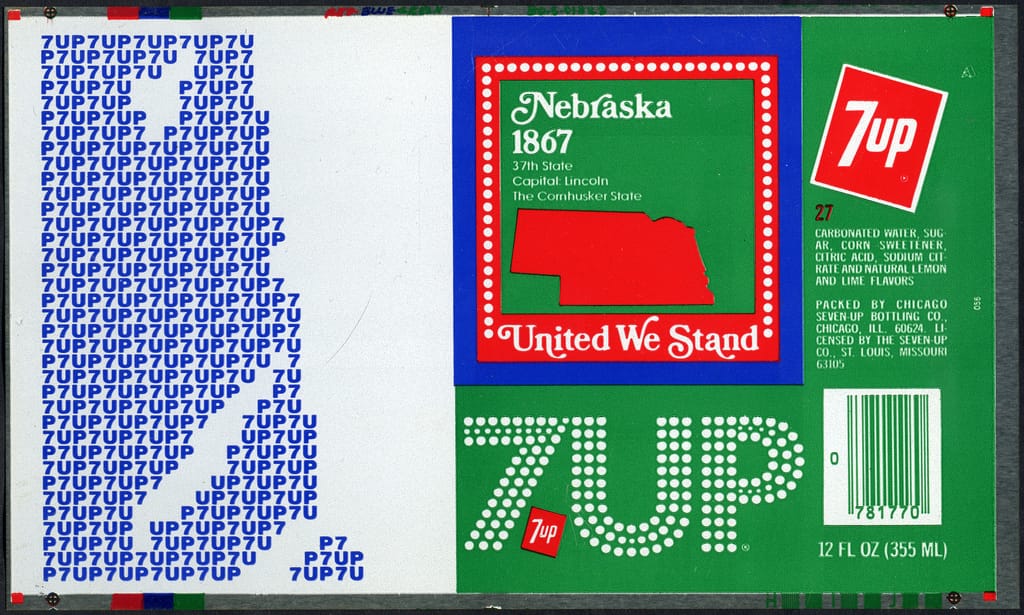
There’s another effect: targeted beverage marketing in Black communities coincides with increased consumption of sugary drinks in neighbourhoods already facing structural disadvantage. Public health research over subsequent decades shows disproportionate increases in diabetes, mortality, and economic strain in those same communities. Sugary beverage advertising did not single-handedly create these outcomes. This structural inequality in access and resources predates any campaign, but the recognition of identity as market opportunity undeniably accelerated product saturation.
In this case, individual excellence flourished. Access expanded. Careers were made—we speak of Miller among his contemporaries of influence like Aaron Douglas and Sylvia Harris, much like we will speak of Forest Young, Gail Anderson, and Joshua Darden in the not-so-distant future. Individual accomplishments inside a world positioned against us are a thing of magic, every time. Thomas Miller’s achievements remain real. They remain important. But individual representation inside corporate systems does not automatically translate into collective wellbeing outside them. Identity here does not disappear. It is leveraged.
Wolfgang Fritz Haug’s concept of commodity aesthetics clarifies what is happening: in capitalist systems, commodities are not sold for use alone. They are sold for what they signal. Appearance, style, and identity attach to products in order to stimulate desire. Identity connects us with some of the most powerful signals available: belonging, authenticity, pride. With remarkable efficiency, it can also signal progress when aligned with work for or from marginalised communities.
By 2020, our pattern repeats: following the murder of George Floyd, the design industry appeared to undergo an awakening. Agencies promised inclusive storytelling. Type foundries issued diversity statements. Brands released identity-driven campaigns with remarkable speed. Representation surged across portfolios and platforms. It felt like movement.
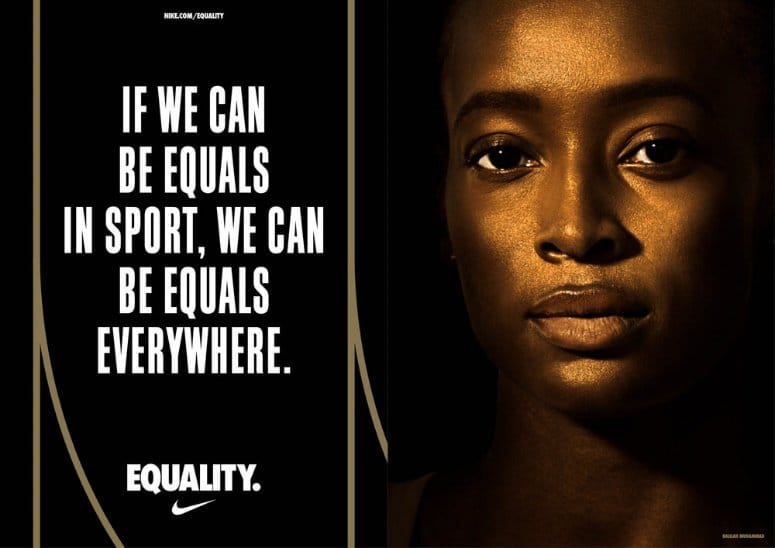
But much of what we witnessed was not structural change. It was the market reading the room.
Identity became a brand asset. Cultural fluency became a competitive advantage. Marginalised faces circulated more widely, but largely within the same institutional frameworks. We confused being seen with things being changed.
Designers sometimes believe that our labour aligns with justice simply because our identities do. That the presence of the “right” people inside powerful systems alters the systems themselves. But design is not a virtue. It is a tool. Tools operate within the conditions that deploy them, and Identity does not exempt design from those conditions. It is absorbed into them.
Haug’s idea is useful here because it explains something the design world rarely wants to admit. When aesthetics become tied to the market, they stop being neutral or expressive and start functioning as a sales device. Every visual choice becomes part of how a product signals value, morality, modernity, or belonging. This is why identity has been such a powerful asset in contemporary branding. The politics of who we are and how we look are not separate from the market; they have become one of its most profitable tools.
Identity politics has been absorbed into commodity aesthetics, and the look of liberation has become profitable. A Black-designed campaign does not counter racism if it is built for an institution shaped by racism. A queer designer shaping the aesthetic of a harmful platform does not make the platform less harmful. Our presence can add legitimacy. It does not automatically alter the structure.
The issue is not participation. Designers from marginalised communities have always had to work inside systems that were not built for us. Access matters. Visibility matters. But participation inside a system is not the same thing as control over it.
Individual success is real. It can be meaningful. It can even be historic. But it is not a collective transformation. In the post-DEI moment, we are already watching identity lose some of its mainstream market value. Brands that once competed to signal diversity now retreat under shifting political winds. High-profile appointments created the impression of transformation, but across leadership and labour structures representation remains largely unchanged. When identity stops generating cultural capital, it quietly recedes from marketing copy. The structure remains.
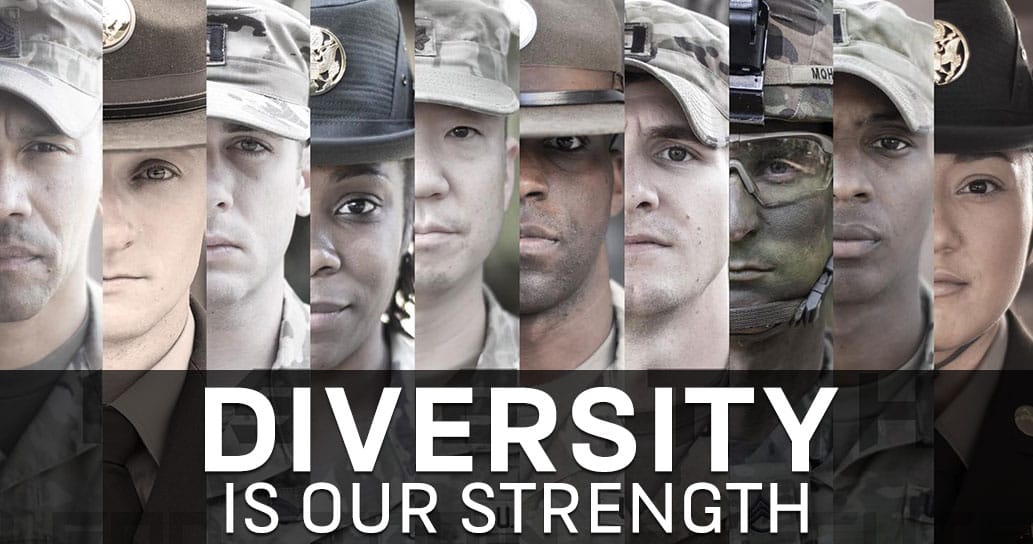
Identity expands legitimacy, but does not automatically redistribute ownership, governance, or capital. Inside market systems, it becomes differentiation and reassurance—an asset class.
If we suspend the myth that design is inherently a good thing to do, we can see identity more clearly. It can inspire extraordinary work. It can build pride; even commercial graphic design can reshape visual and artistic culture. But, it cannot, by itself, restructure power.
Identity in design begins as subversion, which becomes differentiation. It is recognised as profitable. It is absorbed into commodity aesthetics. Visibility expands. Structural conditions remain intact.
If we mistake this cyclical perspective on representation for transformation, we will continue to decorate systems rather than alter them. The question is not whether identity matters. The question is: when does it move power, and when does it legitimise? In either case, we should ask: for whom?